MUSHROOM INFO PAGE
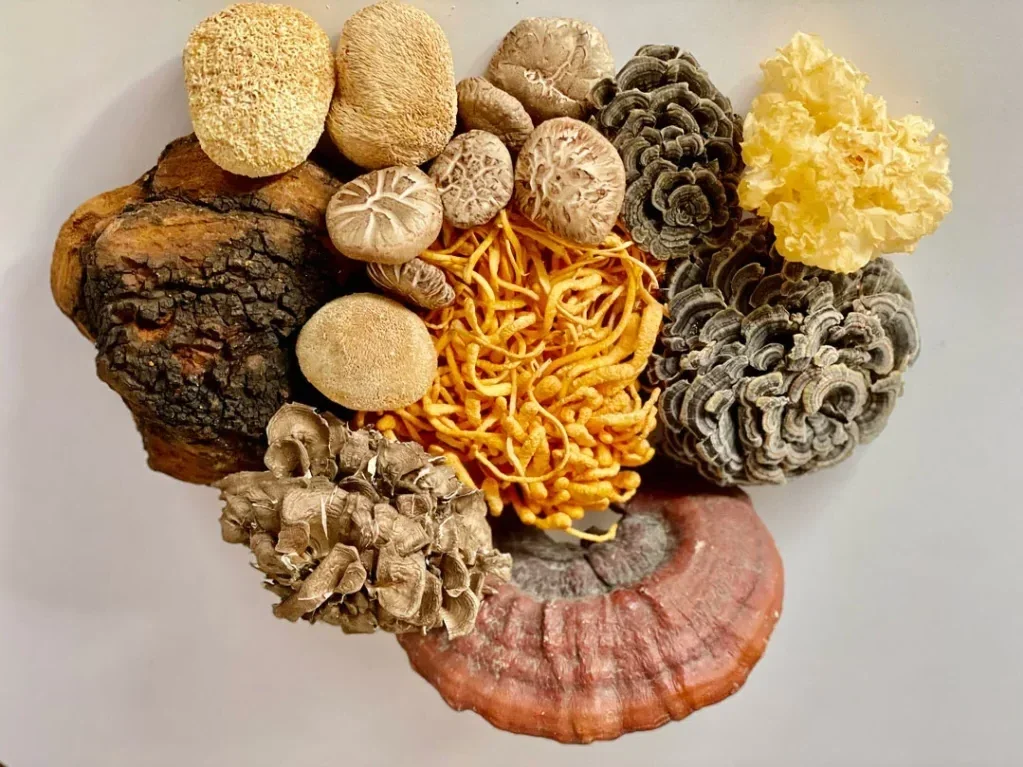
Through out written history you can find many, many examples of many cultures using mushrooms in a medicinal way. Many of these mushrooms have cross over benefits such as containing Anti-inflammatory, Antioxidant and Immune boosting properties. Several of these mushrooms have shown promise in the cancer fight and many other diseases.
A few key compounds medicinal mushrooms contain are Polysaccharides and Beta Glucans, which are immune modulators and boosters, but also improve cholesterol levels, blood sugar levels, sleep and stress.
Triterpenes provide anti-inflammatory and antioxidants and aid in digestion. Other Triterpenes work to support the liver, provide antimicrobial and antiviral benefits also.
Some mushrooms are higher or lower in these compounds, for example Lions Mane benefits the brain more, Chaga decreases inflammation, Turkey Tail the immune system and so on. Let’s take a dive into these different mushrooms and their benefits below……

Inonotus Obliquus—Chaga
I certainly can’t say enough about the power of this medicinal mushroom. I was diagnosed with arthritis in both my knees several years ago, after having surgeries, they told me I had bone on bone spurs and could feel every bit of that. When I discovered Chaga 17 years ago I was hooked and have been drinking it regularly since. I truly believe it has helped tremendously to keep swelling at bay and relieve pain in my knees, not to mention I haven’t gotten sick from the common cold in those years since adding it to my routine! I highly recommend it for joint issues, for strengthening the immune system and for it’s cancer fighting properties. Learning about Chaga started my foraging journey and opened the doors to learning and working with all the other amazing mushrooms!
In the East, especially places like Eastern Eurpoe and China, Chaga has been used in traditional and folk medicine for centuries. In some cultures it was used for antibacterial washes and as fire tinder.
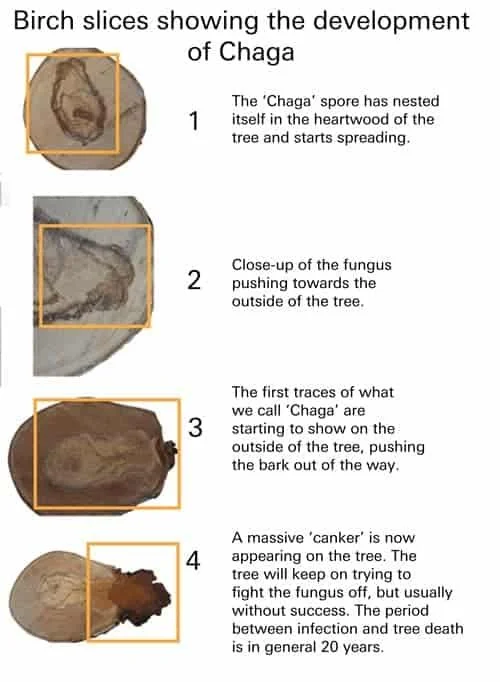
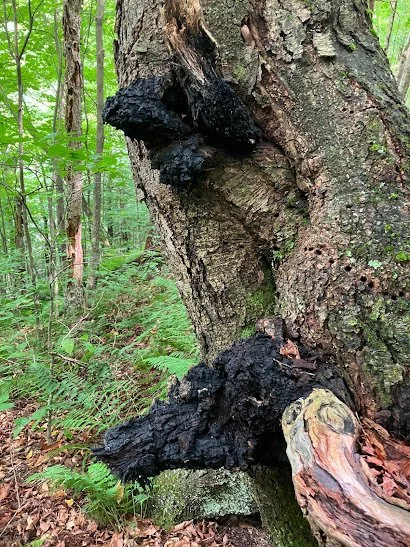
Chaga is found in high elevations, anywhere from 3,500 ft and up and only grows medicinally on birch trees. It is an extremely slow grower and can take many years to mature enough to harvest. It is able to regrow if harvested sustainably. Chaga does kill the tree host slowly. Many of the great medicinal properties come from the birch tree, as it is a highly medicinal tree. It is refereed to as the ‘King Of Medicinal Mushrooms’ for great reason.
Here’s a list of wonderful benefits:
Immune system regulator
Anti-Inflammatory
Highest of any food in Anti-Oxidants
May reduce the size of cancerous tumors
Protects DNA from aging damage
Provides natural energy, containing many vitamins including B-complex and vitamin D
Aid in digestion
Protects the skin against sun damage
Contains high levels of Melanin to enhance skin and eye color
Lowers cholesterol
Contains Zinc, Fiber, Magnesium, Copper, and Iron
I enjoy studying Chaga and am always looking for more information where ever I can. I found many great articles that explain Chaga from scientific and health points of view. Check them out if your interested in knowing more! Click on the links below:
Reishi- Ganoderma Tsugae
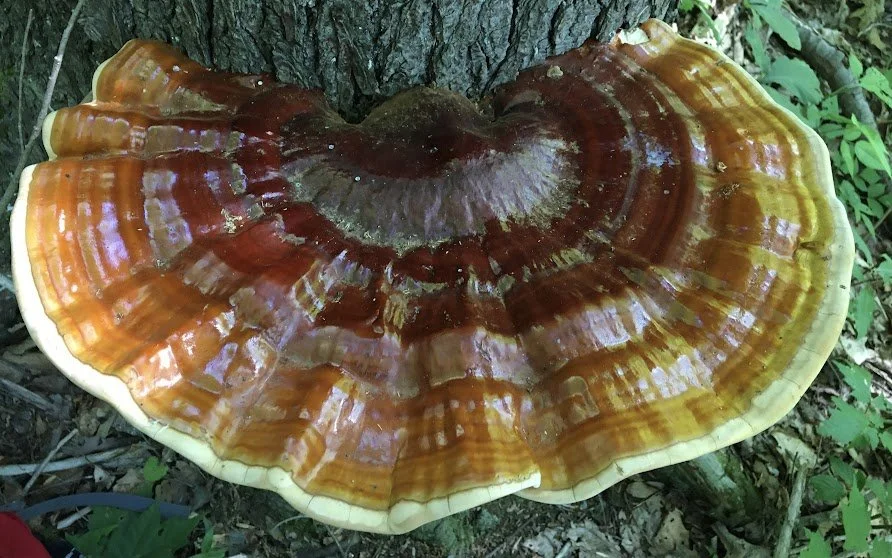
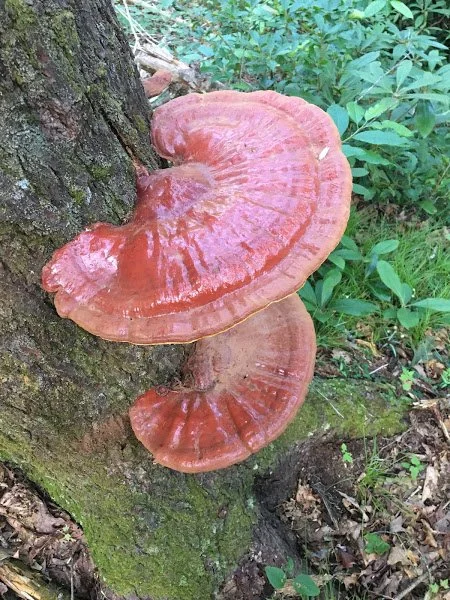
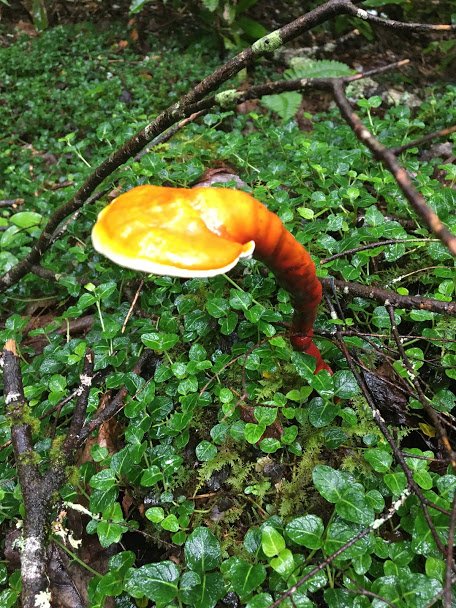
The Reishi is perhaps the most recognizable and revered mushrooms throughout history. It’s uses date back at least 2,400 years, showing up in ancient Chinese artworks, it was reserved often for royalty. Known by many names such as ‘the mushroom of immortality’ and ‘the queen’, Reishi was said to slow the aging process and bring a calming energy to your mind and body. The tea is used by monks to stay in a state of meditation for longer periods of time.
In our region it can be found on Hemlock trees, showing up in early spring but maturing around June. Additionally, the Golden Reishi grows in late summer at the base of Oak trees. When young, the outer white, spongy edges can be sautéed or made into a jerky. It’s best to harvest when the caps are all red, often will have a brown dust (the spores).
Reishi contains many beneficial compounds such as Ganoderic Acids, these special acids have the potential to inhibit cancer tumor growth and induce apoptosis in cancer cells. They can also protect the liver from damage, protect nerve cells, and enhance immune responses. Another compound is Peptidoglycans, which create adaptogenic effects, supporting the bodys resilience to stress.
Key Benefits:
Immune System modulator
Liver and Kidney detoxifier
Helps with Allergies
Promotes Skin health
Decrease Anxiety and Stress in the body
Anticancer properties
Improves sleep
Hormone balancing
Information Links:


Lions Mane – Hericium Erinaceus
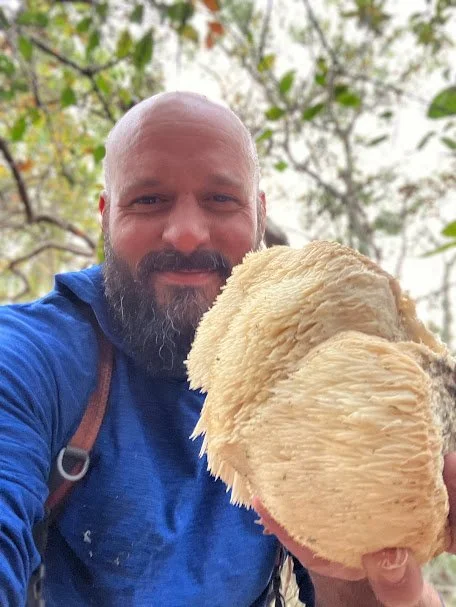
Lions Mane has quickly become one of my favorite mushrooms. Finding one is exciting and rewarding. It’s also one of the most medicinally potent mushrooms. Loads of research is coming to light on the power of this mushroom. It has shown amazing promise in the fights against Alheziers’s and Dementia. It’s a key ally for keeping our brain healthy, and our focus and memory sharp.
Lions Mane is a culinary treat and tastes similar to crab meat. Found mostly on oak and beech trees, showing up in early spring and again in fall. It is considered a toothed fungus. Throughout history it was reserved for royalty and it is revered by a sect of Buddhist monks that wear garments known as suzukake, that resemble Lions Mane mushroom.
There’s countless products out there that offer it. What sets us apart is that our mushrooms are wild foraged and not grown/cultivated on soy hulls or grains. Lions mane offers many benefits, among them they contain Hericenones, a compound that promotes the production of nerve growth factor, the repair and regeneration of nerve cells. Through polysaccharides comes anti inflammatory and anti oxidant properties that are neuroprotective, protecting our brains from oxidative stress and neutralizes free radicals. Erinacines, another compound found in Lions Mane, help bring about new brain cells. Add in the mood factor, these same compounds also help lift mood and lessen depression and anxiety symptoms. Studies are ongoing but Lions mane has shown great benefit to improve memory, sharpen focus and strengthen overall cognitive function.
Health Benefits:
Helps relieve symptoms of depression and anxiety
Speeds up recovery of nervous system injuries
Regenerates brain cells
Protects against ulcers in digestive tract
Reduces heart disease risks
Improves focus and memory
Reduces inflammation and oxidative stress
Boosts Immune system
Click on these links to learn more:
NEUROTROPHIC AND NEUROPROTECTIVE EFFECTS
Lions Mane can resemble a mushroom known as Bears Head Tooth. Also known to have medicinal properties and is a very good edible wild mushroom.
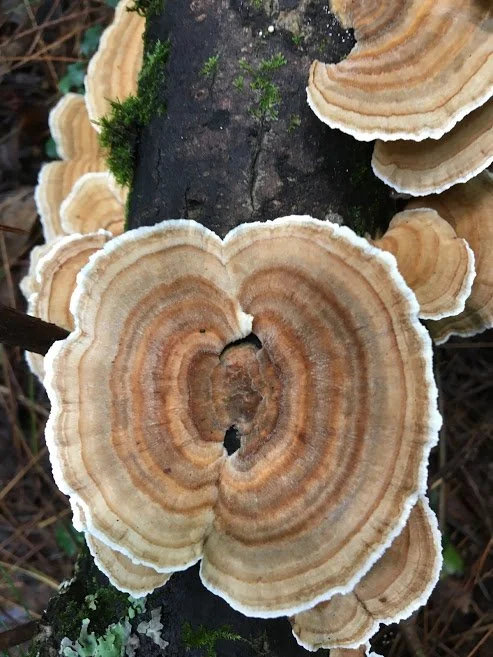
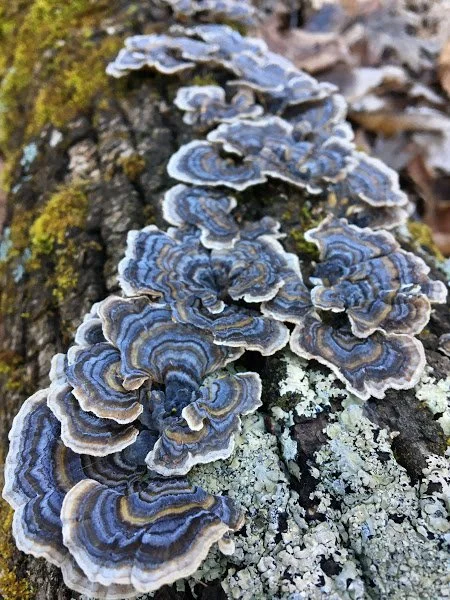
TURKEY TAIL- TRAMETES VERSICOLOR
Turkey Tail is a small, powerhouse of a mushroom. It’s in the polypore family, which instead of gills it has tiny pores. It’s stunning with colors that range from browns with reds to blues and golds. Medicinally, it’s the top tested and researched of any mushroom, notably with cancer research. Turkey Tail can used in tinctures, drank as a tea, added to broths (but not eaten) and taken raw in pill form.
Typically growing in fall through winter, it can be found on down branches, logs or tree trunks. The white underside is an identifying component. It’s easily one of the most abundant mushrooms in the woods.
Turkey Tail contains polysaccharopeptides (PSP) and polysaccharide K (PSK), which activate key immune cells, such as T-cells and macrophages., making it a key in the cancer fight. These antibodies also aid in fighting off infections Turkey Tail also contain prebiotics that feed beneficial gut bacteria, particularly Bifidobacterium and Lactobacillus4, promoting a healthy microbiome.
Compounds found in Turkey Tail Mushrooms:
Polysaccharopeptides (PSP & PSK) – Bioactive compounds known for their immune-boosting and anti-cancer properties
Beta-glucans – Powerful polysaccharides that enhance immune function and support overall health
Triterpenoids – Natural compounds with anti-inflammatory, antiviral, and liver-protective effects
Phenols and Flavonoids – Potent antioxidants that help combat oxidative stress and support heart health
Prebiotic Fibres – Compounds that nourish beneficial gut bacteria, promoting digestive and immune health
Sterols – Plant-based compounds that support cholesterol balance and hormonal health, including ergosterol, which acts as a precursor to vitamin D2
B vitamins – Essential for energy production, nervous system function, and immune regulation
Minerals (Copper, Potassium, and Selenium) – Important for immune function, cardiovascular health, and antioxidant support
Health Benefits:
Boosts Immune System
Supports Healthy Digestion
Aids In Chemo Therapy Recovery
Supports Healthy Bones
Balances Blood Sugar Levels
Rich in Antioxidants
Improves Cognitive function
Find out more through these links:

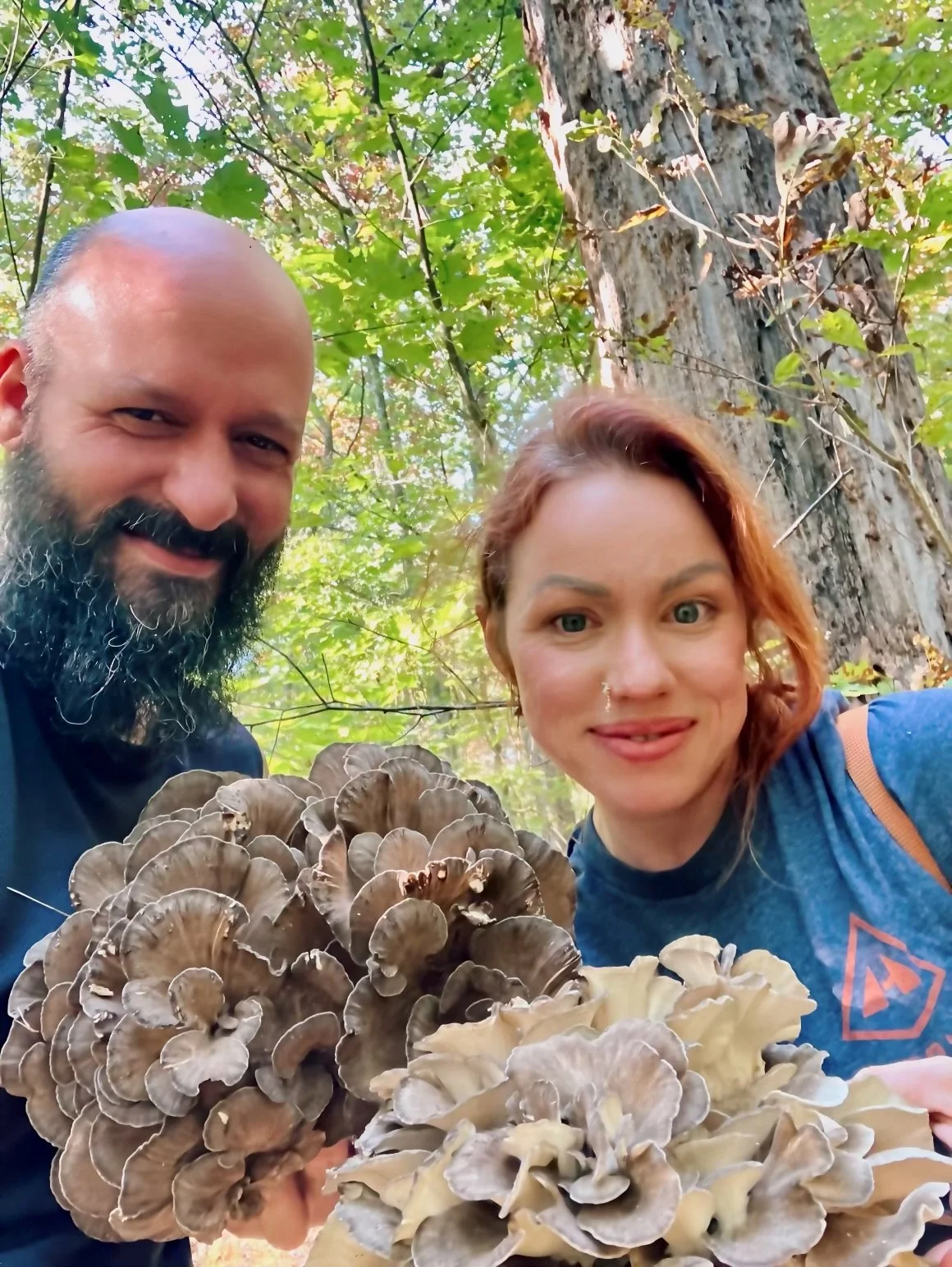
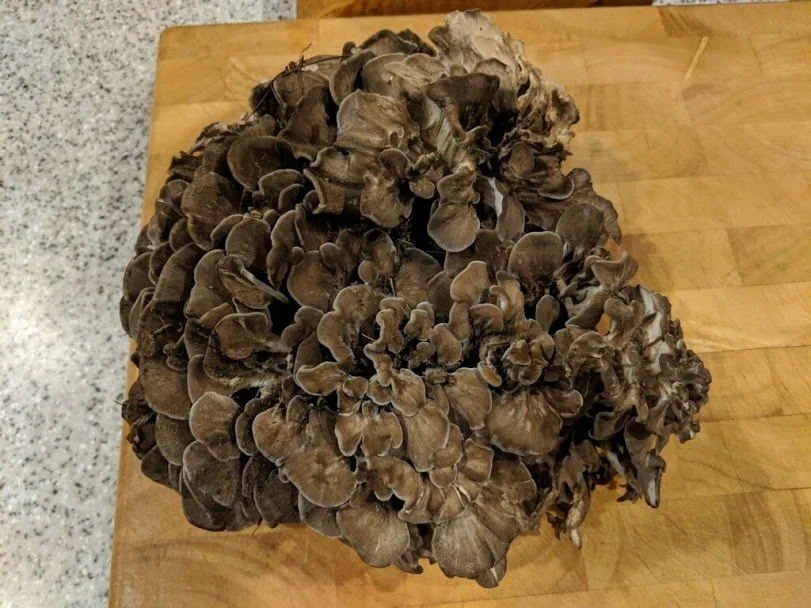
Maitake- Grifola frondosa
Maitake, also known as the Hen of the woods, is called the ‘dancing mushroom’, a title given by the Japanese, because when you found one you would dance for joy. Maitake has long been used for it’s superior flavor and for being one of the best medicinal mushrooms in the forest. Maitake can be tricky to find, blending into it’s environment perfectly. Usually found at the base of old, dying Oak trees, it’s the color of the brown, fallen leaves and can often be missed without a trained eye. It grows from late August through most of November and can grow to be quite large. It’s personally one of my absolute favorite mushroom flavors.
Hen of the Woods, one it’s many names, contain special Beta Glucans called D Fraction, these provide cholesterol regulation, liver protection, cancer support, enhanced immune support, lower blood glucose levels, they also provide protection against and recovery from flus/colds and viral infections. When it comes to the brain, Maitake helps to protect our brains against memory diseases, containing a Brain-Derived Neurotrophic Factor, a protein that helps grow brain cells and improves communication, both essential for learning and remembering. AMPAR are receptors that help brain cells communicate quicker and are vital to brain plasticity, the proteins contained in Maitake help these receptors function better.
Health Benefits:
Fights Flus and viral infections
Helps lower cholesterol
Cardiovascular Health, Reduces Heart disease
Strengthens Bones
Immune system support and cancer fighting properties
Brain Health
Additional Info:
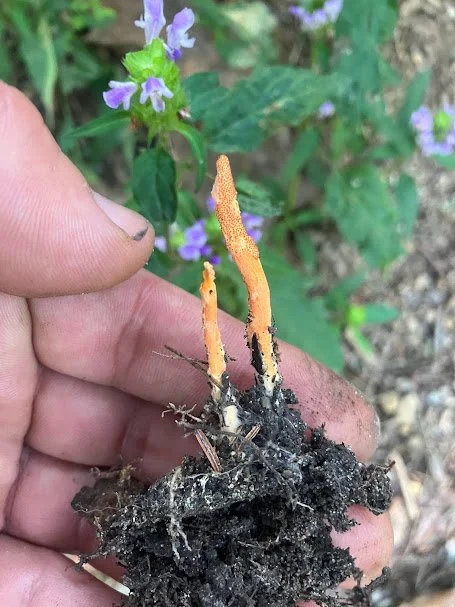
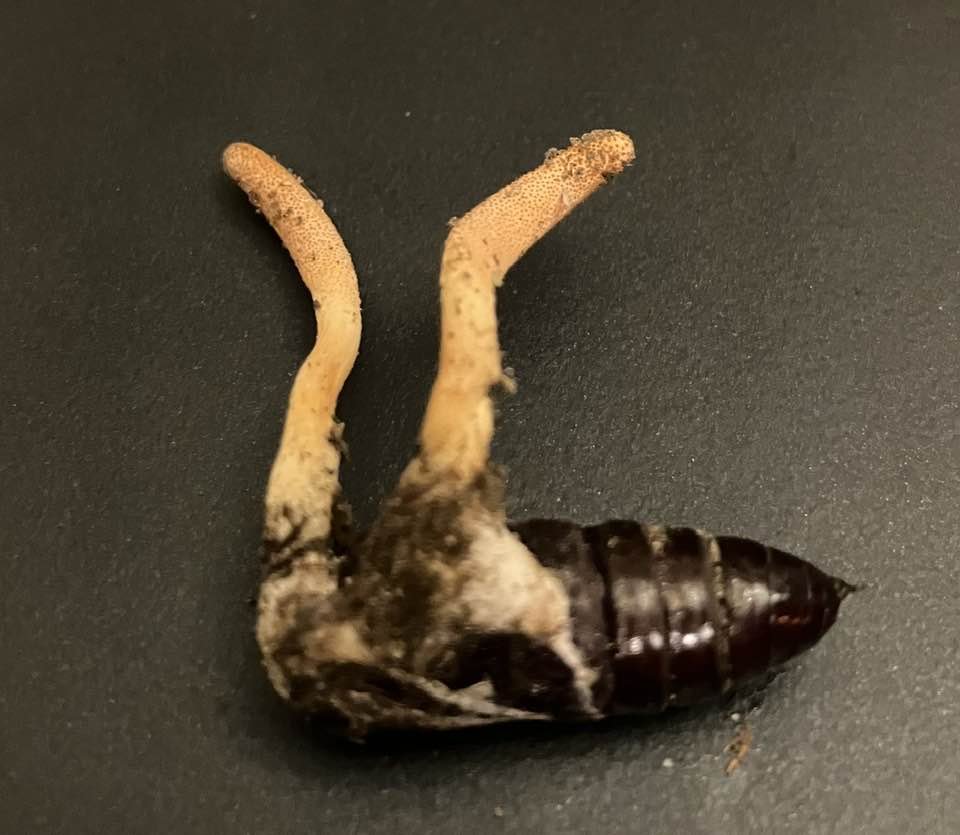
Cordyceps- Militaris
Known as the ‘Zombie’ mushroom, Cordyceps is easily one of the most unusual fungi in the forest.
Cordyceps are parasitic, infecting insects such as caterpillars, ants, and others. The mycelium takes control of the insects brain and body and eventually pops out as a fruiting body. Cordyceps are pretty small and can be a real challenge to find, it takes almost a crawl through the forest to spot them. They are often found in mossy areas or on decaying logs.
Cordyceps can be found in the wild in mass in Asian countries and can be more rare here in the US, they have quickly become one of the top cultivated mushrooms. It’s known for it’s energizing effects, used by endurance athletes and fitness folks. Cordyceps has many cross over benefits related to Lions Mane, fighting oxidative stress, reducing inflammation and protecting neurons from damage. However it also contains Cordycepin, which improve blood flow and support neurotransmitter balance, enhancing memory and reducing fatigue. This adds the extra benefit of providing energy to our bodies. An additional benefit is that Cordyceps can help support liver health and boost libido.
Benefits:
Energy-Endurance
Enhanced Libido
Brain Health
Immune system boost
cancer fighting proerties
Additional links:
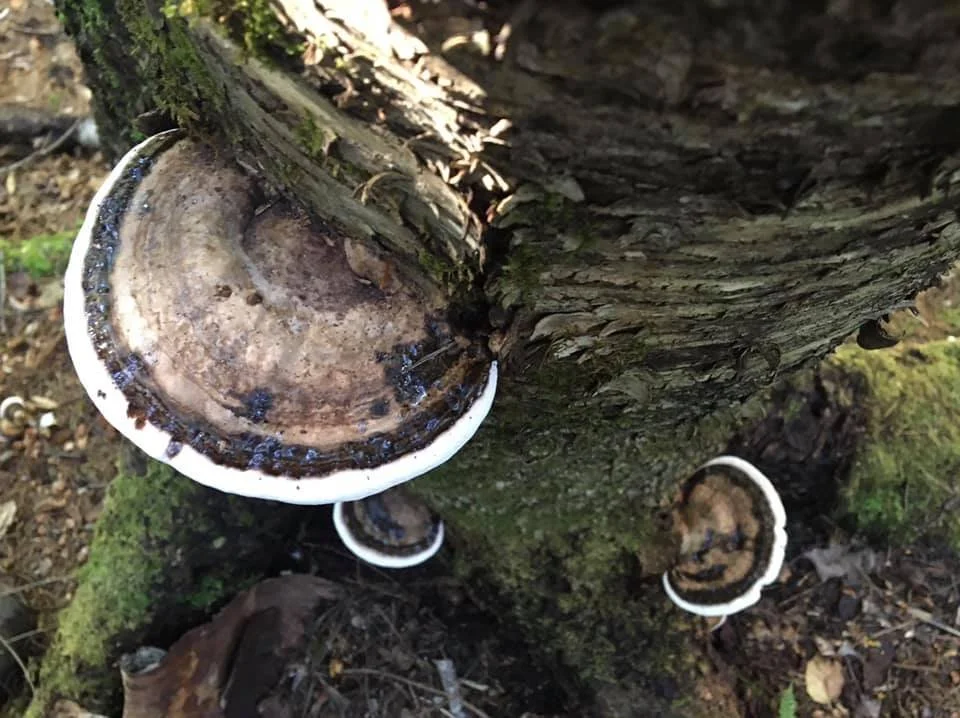
Artist Conk- Ganoderma Applanatum
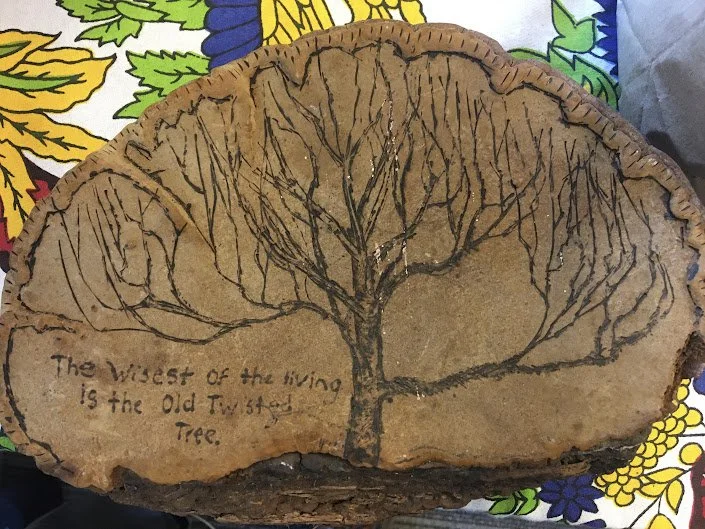
The Artist conk mushroom is one I had been interested in for some time. Up until recently I passed it by as a beautiful, woody conk mushroom. After researching, I found the Artist Conk is full of benefits, like many medicinal fungi, it possesses cancer fighting properties, which is always near and dear to my heart. Finding this mushroom isn’t difficult, as it grows abundantly in colder, higher elevations the best and can be found in lower elevations as well. It grows on hard woods and is considered a shelf or bracket fungus, it’s a slow grower taking several years to mature completely. The Artist Conk has been a symbol of longevity and rejuvenation in Asian cultures for centuries. Artist Conk lives up to it’s name, as many people paint, wood burn or carve art into it’s pore surface. Here’s an example on the left.
Benefits:
Used for Kidney, Respiratory, Immune and Digestive issues.
Cancer fighting properties, especially chemo therapy recovery.
Antiviral-Antioxidant
Additional info links:


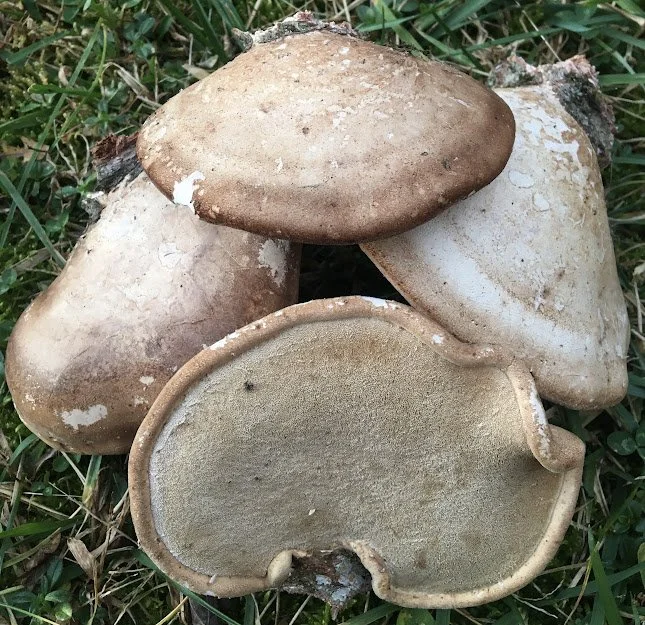
BIRCH POLYPORE- Fomitopsis betulina
The Birch Polypore is a winter lover, growing during the winter months. Found primarily on Birch Trees. Used for over 5,000 years, for medicinal purposes but also as a tinder. Not many mushrooms can be found during the winter months, so foraging for this one becomes a main focus. The cps can be peeled to make a natural bandage as well. Birch Polypore contains Phenolic compounds, Triterpenes, Sesquiterpenes, and some of the highest content of Beta Glucans, all these combined to bring anticancer effects, immune strengthening, and calming properties to gastrointestinal problems. In studies over 10 years, it’s proven to have antiviral, antibacterial, and antifungal activity, espcially against candida
Benefits:
Anti Parasitic
Anti Microbial
Anti Bacterial
Healthy Micro Biome
Anti Inflammatory
Resources:
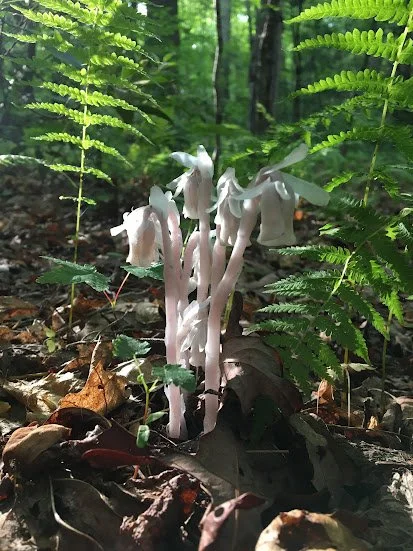
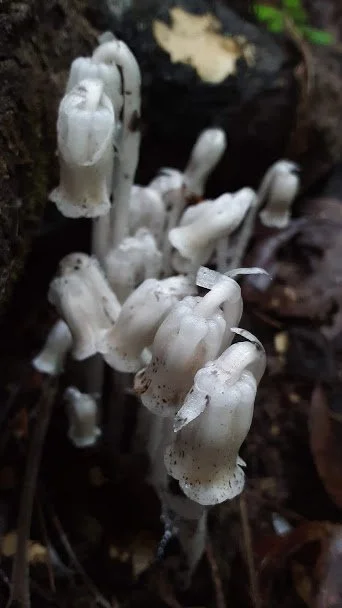
Indian/Ghost Pipe- Monotropa uniflora
Ghost Pipe are a very special wild flower. Many think they are in the mushroom family, but instead they use mushrooms to provide them with nutrients and have that give and take relationship. A parasitic and non-photosynthesizing plant, that has clear petals, and an intoxicating scent. I love to tincture Indian Pipe, it turns to a nice purple color and has a mocha like flavor. It’s important to harvest this plant sustainably. Taking a few stalks from various clusters is a good rule of thumb. It’s also important to get them right into alcohol, as they lose potency quickly.
A Cherokee legend about Ghost Pipe tells of a time long ago, when selfishness first entered the world, and people began quarreling. First, they quarreled with their own families and tribal members, and then with other tribes. The chiefs of several tribes met together to try to solve the disputes, and smoked a peace pipe together, while continuing to quarrel with each other for seven days and seven nights. In punishment for smoking the peace pipe before actually making peace, the Great Spirit turned the chiefs into grey flowers and made them grow where relatives and friends had quarreled.
Benefits:
Sedative- Helps Sleep
Pain Relief
Combats Migraine Headaches
Helps Detox Off Certain Drugs
Helps Heal Emotional Pain
Links:

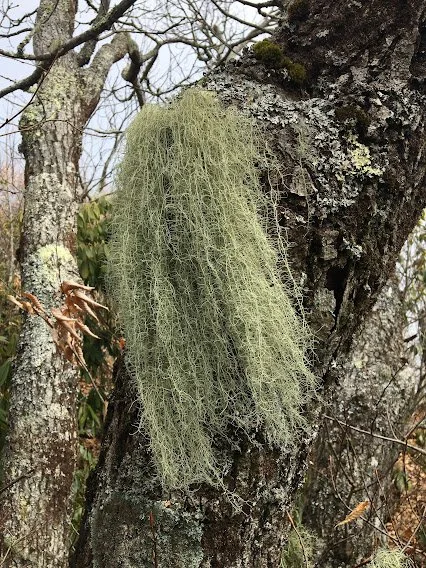
USNEA- Old Mans Beard
Usnea is a lichen (cross between an algae and fungi) that prefers to grow in fresh air regions with little pollution. For us here in the south east, it loves higher elevations that meet those conditions. Old mans beard has a long history in European, Asian and Appalachian cultures for it’s many uses.
It’s a great wound healer, containing antimicrobial and antibiotic properties, which speed up the healing process. Taken in tea or tincture form it can help aid in weight loss, fight common cold symptoms such as it helps lower body temp, improves sore throat, coughs and congestion. It can used to ward off bacterial and fungal infections, bronchitis, and in some studies even battle cancer.
Useful Links:
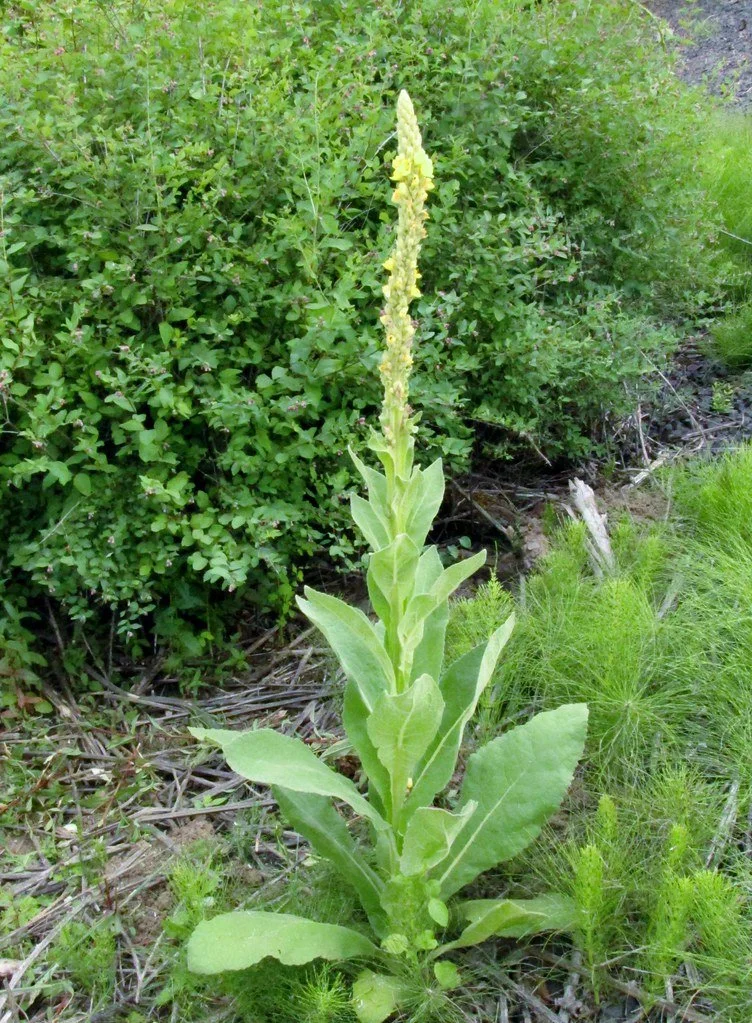
Mullein is a very pretty plant, growing quite large with fuzzy, soft leaves and a tall, yellow flower stalk that shoots up out of the middle. Usually found in spring and summer, especially along hill sides but also in low lying areas.
Mullein is helpful to keep our respiratory system healthy. Improving and repair lung conditions, fighting off coughs and sore throat. Sometimes traditionally the dried leaves were smoked to improve lung health. Properties in the plants leaves and flowers help loosen mucus, calm inflammation, and fight off germs.
Useful Links:
Mullein- Verbascum thapsus

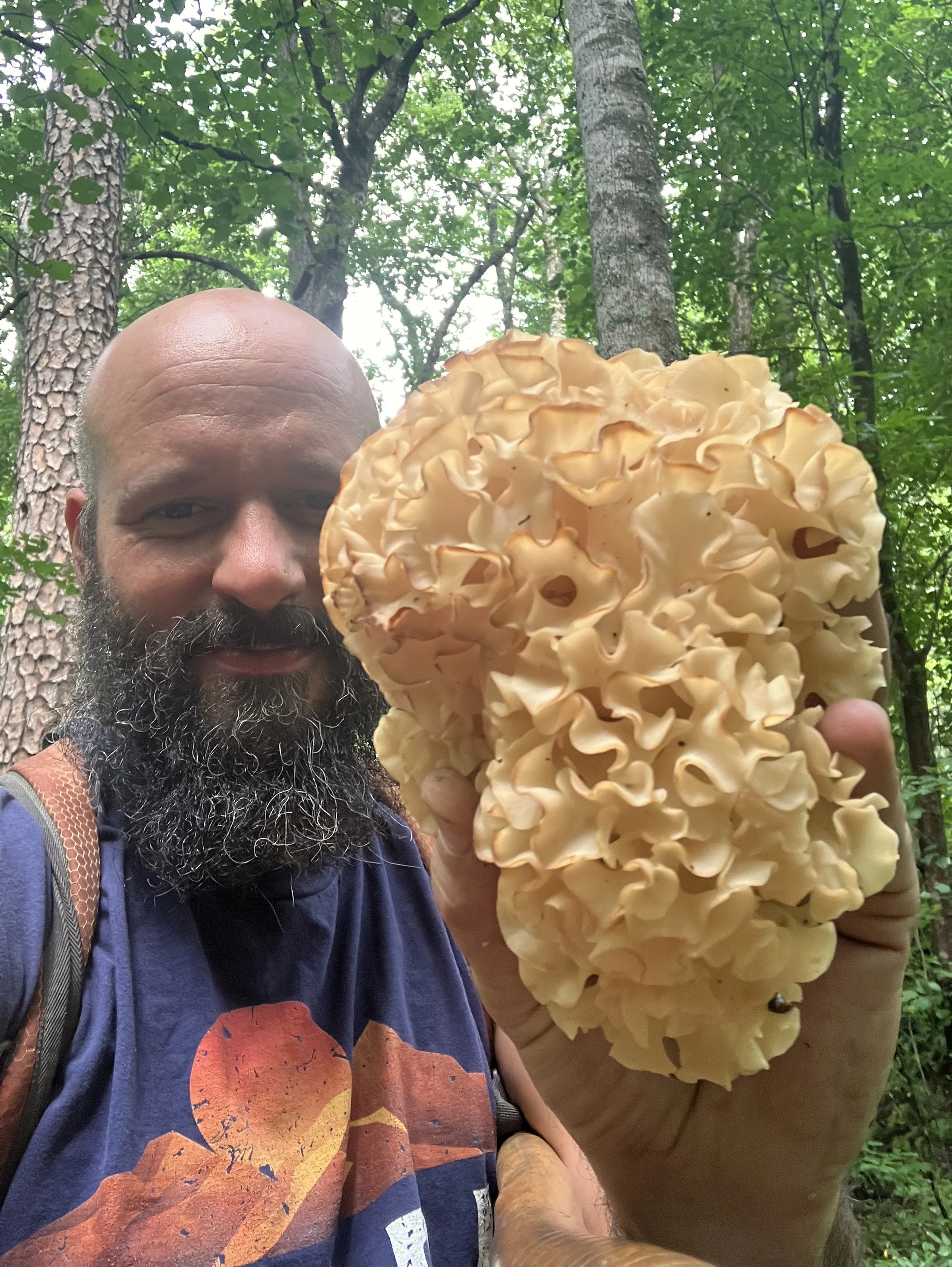
Cauliflower- Sparassis crispa
The Cauliflower mushroom is an especially unique mushroom based on it’s look, smell and taste but also is a highly medicinal one! This beauty grows in summer and fall months and gravitates towards piney environments. They can grow in clusters with several in one area.
Sparassis shows a range of health benefits, most notably stroke prevention by lowering blood pressure and improve cerebrovascular function. Other benefits include disease prevention, with antimicrobial and antibacterial properties, as well as antitumor effects. Cauliflower can also help keep your skin healthy. Adding collagen and decreasing water loss. Cooking Cauliflower can be done like noodles, with the consistency of egg noodles or ramen. They seem to have boom years, growing more and less abundantly from one year to the next.
Useful Links:

Shiitake- Lentinula edodes
Shiitake is among the oldest used and revered mushrooms we know. Originally native to Japan, it’s become one of the top mushrooms to cultivate here in the US. On rare occasion I have found this mushroom in the wild, typically not far from populated areas, I believe the spores blew in from someone growing near by. Shiitake is packed with both medicinal and nutritional benefits nd can be used for both purposes, making medicine and adding them to your plate.
Nutritionally Shiitake is rich in vitamins A, B2, B12, C and D, as well as calcium, copper, iron, selenium, zinc, manganese and many important enzymes. Medicinally they have anti cancer compounds, antibacterial and anti-inflammatory properties. Shiitake can help improve digestion, boost our immune system and keep a healthy cardiovascular system.
Links:
Therapeutic values and nutraceutical properties
shiitake-mushrooms-health-benefits/
https://foodmedcenter.org/foods-and-their-uses-shiitake-mushrooms/